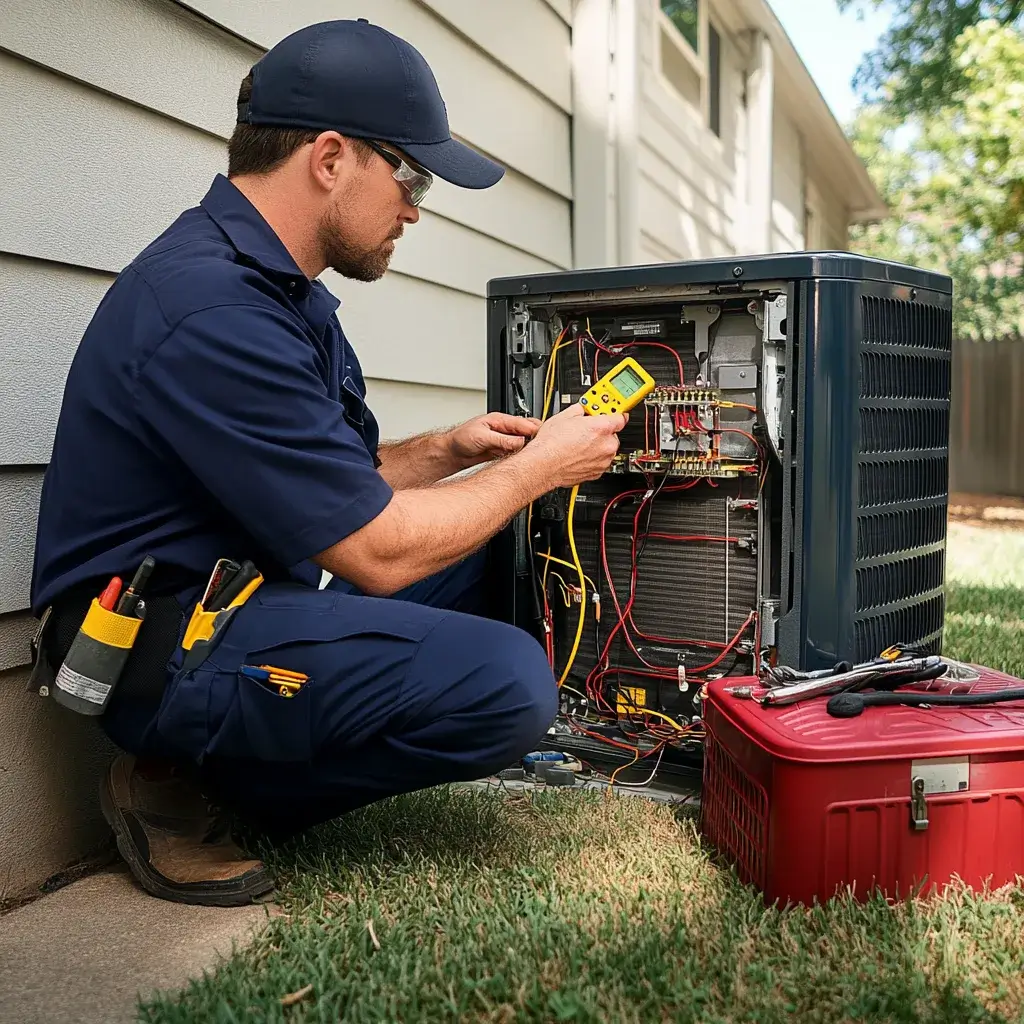
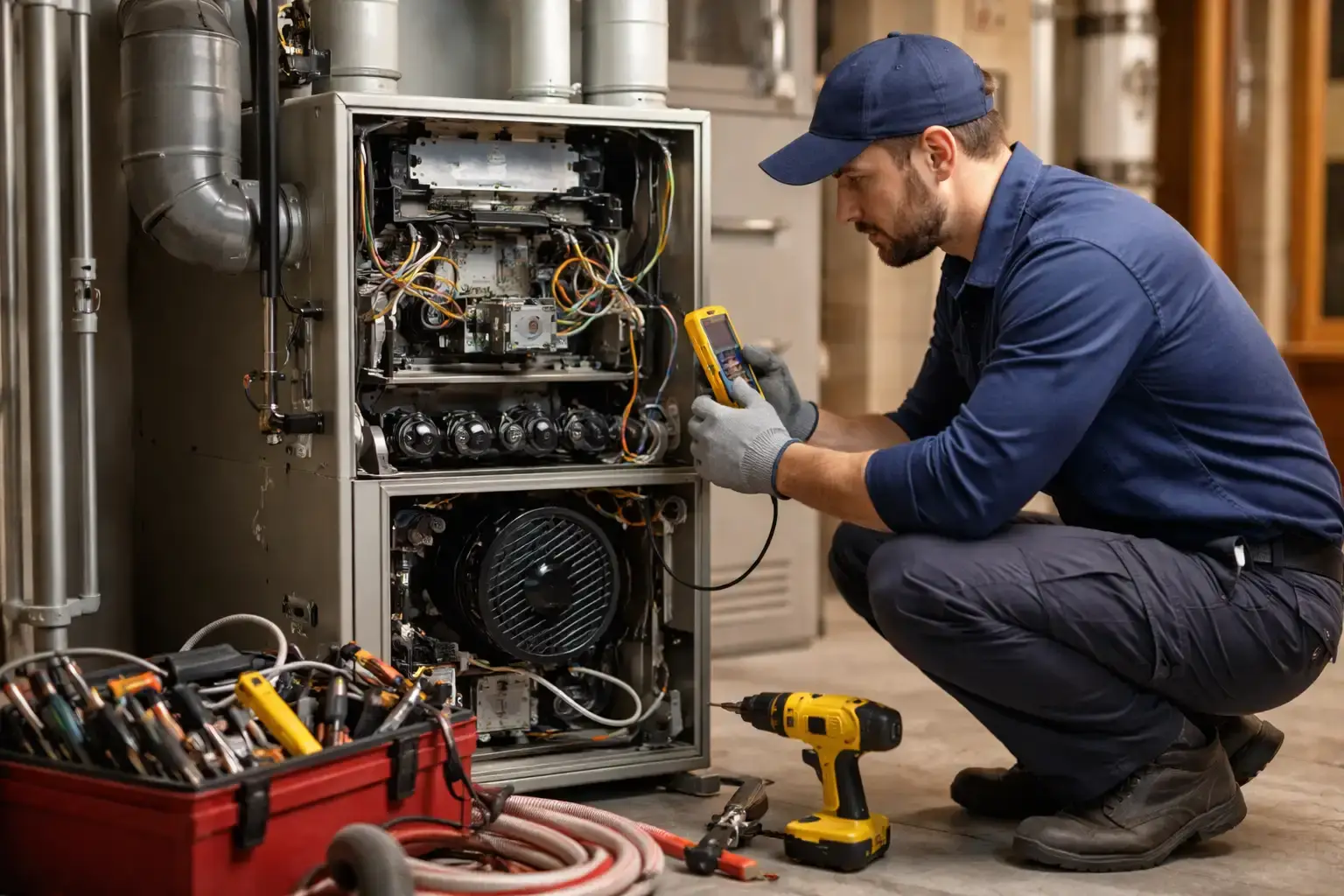
Understanding furnace repair costs ahead of time helps you stay calm and confident when heating problems show up—often on the coldest day of the year. Prices can swing from a quick, inexpensive fix to a more involved repair depending on the component, the furnace type, and how long the issue has been developing. When your home is losing heat, it’s easy to approve work quickly without fully knowing what’s normal, what’s optional, and what could be a sign of a bigger problem. This guide breaks down typical price ranges, what drives costs up or down, the most common repair scenarios, and how to avoid overpaying. You’ll also learn when it’s smarter to keep repairing and when replacement becomes the better long-term move, especially if your system is older or running inefficiently.
Average Furnace Repair Cost and Price Ranges
Furnace repair costs vary because “repair” can mean anything from a simple sensor cleaning to replacing a major component. Many service calls start with a diagnostic fee that covers testing and safety checks, then the final estimate depends on the part, labor time, and how accessible your furnace is. Smaller repairs are often resolved in a single visit, while more complex issues may require additional parts ordering or follow-up work. Seasonal demand also matters—during peak winter, emergency service and after-hours calls commonly carry higher labor rates.
The best way to keep pricing reasonable is to address symptoms early. A furnace that’s short-cycling, struggling to maintain temperature, or making unusual sounds is often cheaper to fix before it fails completely. If you want a professional assessment that focuses on restoring performance without guessing, consider getting help from a local heating specialist.
Factors That Affect Furnace Repair Costs
Repair pricing isn’t random—most estimates follow a few predictable cost drivers. Knowing what technicians look at can help you understand quotes, compare options, and avoid paying for work that doesn’t match the real problem.
- Fuel type and design: Gas, electric, and oil systems use different parts and service procedures, which affects both parts cost and labor time.
- System age: Older furnaces may need discontinued or specialty parts, and older wiring or controls can be more time-consuming to troubleshoot.
- Failure type: Minor electrical calibration is cheaper than motor, board, or safety-related repairs.
- Access and location: Attics, crawl spaces, and tight utility closets increase labor time and may require extra safety steps.
- Urgency: Same-day, weekend, and emergency calls often cost more due to scheduling and premium labor rates.
- Related wear: A single failed part can be linked to airflow problems, dirty components, or overdue maintenance, which may expand the scope of work.
- Parts availability: Some components are common and stocked; others require ordering, which can affect total time and cost.
Common Furnace Problems and Their Repair Costs
Ignition and startup issues are among the most common furnace repair scenarios. A furnace that clicks repeatedly, fails to light, or shuts down soon after starting may have a dirty flame sensor, worn igniter, or a minor electrical issue. These are often fixable without major component replacement when caught early. Waiting can lead to repeated lockouts that stress the system and leave you without heat during a cold snap.
Airflow problems also drive a large share of repair calls. Dirty filters, blocked vents, or a failing blower motor can reduce airflow and cause overheating or safety shutdowns. Poor airflow can also make rooms feel uneven—hot in some areas, cold in others—leading people to crank the thermostat and increase wear. If airflow is weak or inconsistent, addressing it quickly can prevent cascading failures and keep repair costs lower.
More expensive scenarios usually involve control boards, motors, or safety-critical parts. A control board failure may cause erratic behavior, intermittent shutdowns, or no response at all. Heat exchanger concerns are especially serious because they can affect safety. In those cases, repairs may be costly and replacement may be discussed, particularly for older systems. If you’re weighing whether it’s time to move on from repeated repairs, exploring upgrade options before an emergency can help you make a calmer, more cost-effective decision.
How Long Does a Furnace Typically Last?
Most furnaces last around 15–20 years, but real lifespan depends on maintenance, installation quality, and how hard the system works each winter. A well-installed furnace with good airflow and annual inspections can often run reliably for years beyond the average. On the other hand, systems with chronic airflow restriction, skipped maintenance, or incorrect sizing tend to wear out faster and may need repairs more often.
As a furnace ages, efficiency typically declines and repair frequency increases. You might notice higher energy bills, longer run times, or more frequent service calls. When repairs feel routine instead of occasional—and when comfort becomes harder to maintain—it’s worth stepping back and looking at total cost over the next few winters instead of focusing on the next single fix.
Repair vs Replacement: How to Decide What Makes Sense
The repair-versus-replace decision comes down to value, risk, and confidence. If the furnace is relatively new and the repair is isolated, fixing it is often the sensible move. If the system is older, repairs are frequent, and efficiency is dropping, replacement can lower long-term costs and reduce the chance of mid-winter breakdowns. It’s also important to consider safety-related issues: certain failures may require a more conservative approach even if the repair seems possible.
| Situation | Repair Often Makes Sense | Replacement Often Makes Sense |
| System age | Under ~10 years with good history | 15+ years or unknown maintenance history |
| Repair frequency | Rare, one-off problems | Repeated calls each season |
| Efficiency and comfort | Bills stable; heating consistent | Bills rising; uneven heating; long run times |
| Risk and timing | Low chance of near-term failure | High risk of breakdown during peak winter |
| Budget strategy | Short-term fix fits the plan | Long-term savings and reliability matter most |
How to Reduce Furnace Repair Costs and Avoid Breakdowns
Preventive maintenance is the most reliable way to reduce furnace repair costs. Annual inspections can catch worn components, unsafe conditions, and airflow problems before they become expensive failures. On your side, consistent filter changes and keeping vents unobstructed help the furnace run cooler and more efficiently. These steps aren’t just about avoiding breakdowns—they also reduce strain on motors, igniters, and controls that are commonly involved in repair calls.
Early symptoms are your best “discount.” If you notice unusual noises, burning smells, frequent cycling, or inconsistent temperatures, take action before the system stops completely. Emergency calls tend to cost more, and failures can trigger secondary damage. A quick evaluation often prevents a small issue from turning into a costly chain reaction. For oil systems, this is especially important because soot buildup and combustion issues can compound quickly without routine care.
For oil-fired equipment, consistent upkeep can improve performance and reduce surprise expenses. If your system runs on oil and you want to keep it operating efficiently through the season, seasonal tune-ups for oil-based heating can help prevent avoidable issues and extend component life.
How to Find a Qualified Furnace Repair Technician Near You
Look for a licensed, insured technician with experience working on your furnace type and a reputation for clear communication. Reliable pros explain what they found, why it matters, and what your options are—without pressure. Ask whether the estimate includes diagnostic work, parts, labor, and any warranty on repairs. Reviews and referrals can help, but also pay attention to how the company handles questions: transparent pricing and straightforward explanations are often signs of quality service.
Schedule Professional Furnace Repair
When your furnace isn’t heating properly, prompt service can prevent discomfort and stop a small issue from turning into a costly failure. Professional diagnosis also helps ensure safe operation, especially with gas or oil systems where combustion and venting are involved. If you’re seeing repeated problems, it’s smart to address them before the next cold front rather than waiting for a no-heat emergency.
If your oil heater is aging, unreliable, or becoming expensive to keep running, planning replacement before peak season can reduce stress and improve comfort. For homeowners considering an upgrade, planning an oil-heating upgrade can be a practical way to avoid emergency decisions and lock in better long-term reliability.



 16 Mar 2026